Caring for someone with Parkinson’s can bring a lot of unknowns. Many families wonder what changes to expect and how to prepare as time goes on.
Understanding the different stages of Parkinson's and what to expect over time can help seniors and caregivers feel more confident and less overwhelmed. While every person’s journey is different, having a general idea of what may come next makes it easier to plan for safety, comfort, and independence.
Parkinson’s is a progressive condition that affects movement, balance, and coordination. Symptoms often start small and gradually become more noticeable. With the right support and tools, many people can continue living safely at home for years.
The Different Stages of Parkinson’s
Parkinson’s is commonly described in five stages, helping families understand how symptoms may change over time.
Stage 1: Early Signs
Symptoms are mild and may only affect one side of the body.
You may notice:
• Slight tremors
• Small posture changes
• Minor balance issues
Most people remain independent, but it is a good time to start thinking ahead.
Stage 2: Symptoms Progress
Symptoms begin affecting both sides of the body.
Common changes include:
• Increased stiffness
• Slower movement
• Changes in walking
Daily tasks may take longer, but independence is often still maintained.
Stage 3: Balance Becomes a Concern
Fall risk increases during this stage.
You may see:
• Trouble with balance
• Slower reflexes
• More cautious movement
This is when safety adjustments start to matter more.
Stage 4: More Daily Support Needed
Symptoms become more limiting.
Individuals may need:
• Help standing or sitting
• Assistance with daily routines
• More hands-on support
Caregivers often become more involved at this stage.
Stage 5: Advanced Support
Full-time care is often needed.
Support may include:
• Help with most movement
• Assistance with positioning
• Ongoing supervision
Even here, the right support can improve comfort and dignity.
What to Expect Over Time
Looking at the different stages of parkinson's and what to expect over time, most changes happen gradually.
Families often notice:
• Increasing balance challenges
• Slower movement
• More fatigue
• Greater need for assistance
Planning ahead can make these transitions smoother and less stressful.
When to Introduce Mobility Equipment
The goal is not to add everything at once. It is to introduce the right support at the right time.
At Freedom Mobility Solutions, many families find that small changes early on can make a big difference later.
Early Stages: Light Support
When balance first starts to change, simple tools can help maintain confidence and safety.
Walkers and rollators provide:
• Added stability while walking
• Better posture and control
• Reduced risk of early falls
There are different types of walkers and rollators depending on individual needs. Some are basic, while others are designed specifically for conditions like Parkinson’s.
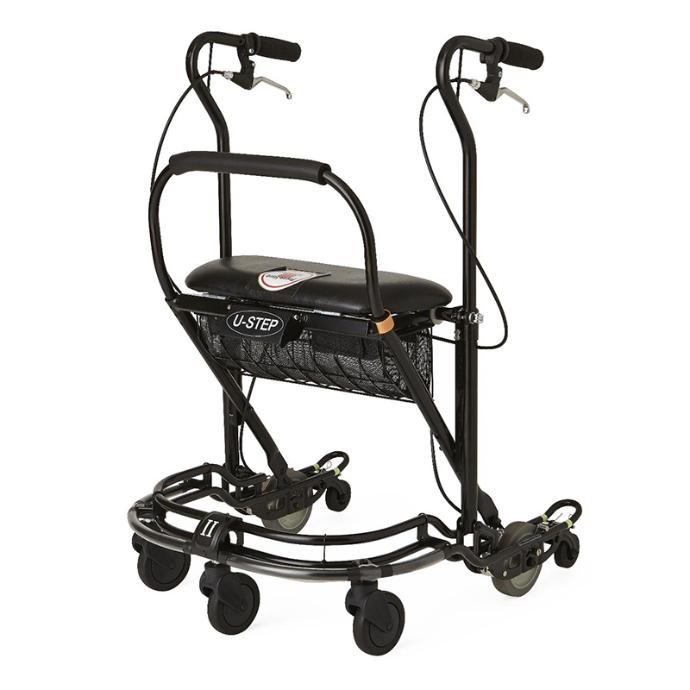
For example, specialty options like the U Step II Press Down Rollator are built with Parkinson’s symptoms in mind. Its reverse braking system means the walker only moves when the handle is squeezed, and it stops when released, helping improve control. Some models also include a laser guide to help reduce freezing and encourage smoother steps.
Introducing the right walker early can help individuals stay active longer and move with more confidence.
Mid Stages: Help with Sitting and Standing
As stiffness and strength changes progress, sitting down and standing up can become more difficult.
This is often when lift chairs become helpful.
Lift chairs can:
• Assist with standing safely
• Reduce strain on joints
• Provide more controlled movement
Adding this type of support before it becomes urgent can help prevent falls and make daily routines easier.
Later Stages: Mobility and Support at Home
As mobility becomes more limited, additional support may be needed to maintain independence and reduce strain on caregivers.
This may include power mobility options that allow individuals to move safely without overexertion.
Power chairs can help with:
• Conserving energy
• Moving safely around the home
• Maintaining independence longer
The goal is always to support independence in a safe and realistic way.
Why Timing Matters
Many families wait too long to introduce helpful equipment.
Planning ahead can:
• Prevent falls
• Reduce caregiver strain
• Make daily routines smoother
• Help seniors feel more confident
Understanding the different stages of Parkinson's and what to expect over time allows families to make these decisions before challenges become urgent.
Support from Freedom Mobility Solutions
The team at Freedom Mobility Solutions works with seniors and caregivers to find solutions that fit real life needs.
You can visit their showrooms in:
• Hanover, Maryland
• Ashburn, Virginia
Schedule a consultation to better understand what to expect next, learn when to introduce equipment, and create a safer home setup, all in a short amount of time that can make a meaningful difference so you do not have to figure everything out on your own.
Supporting Independence Every Step of the Way
Parkinson’s brings changes, but with the right support, seniors can continue living safely and comfortably.
By understanding the different stages of Parkinson's and what to expect over time, families can make thoughtful decisions that support independence, safety, and peace of mind.